

Introduction
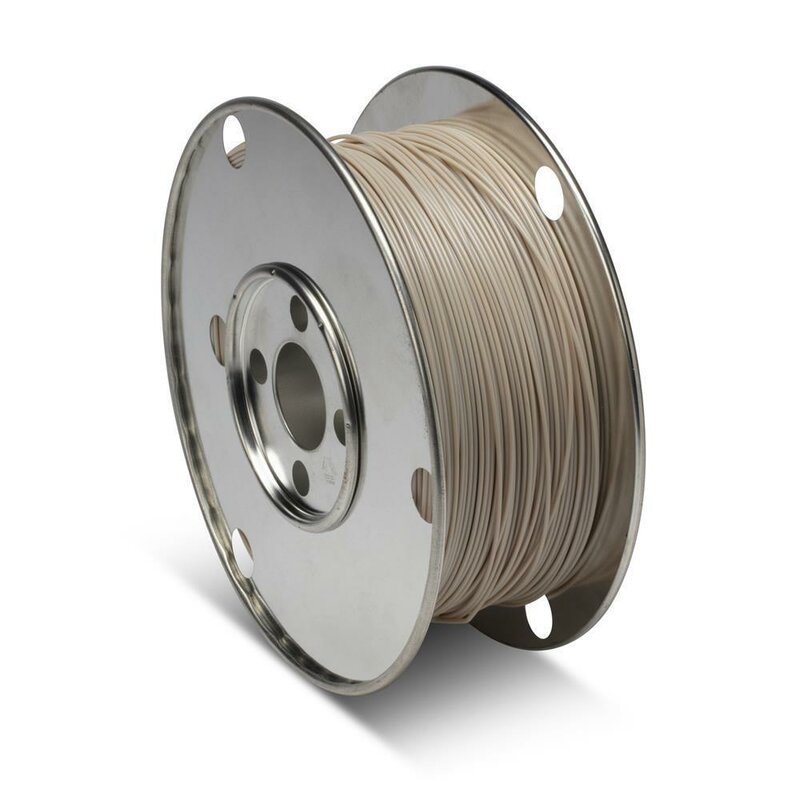
Polyether Ether Ketone (PEEK) filament is heralded as one of the pinnacle materials in the realm of 3D printing for its extraordinary mechanical properties, chemical resistance, and thermal stability. PEEK Filament is extensively utilized in high-demand applications across aerospace, medical, automotive, and oil & gas industries owing to its ability to function in extreme conditions while maintaining performance. This material is known for its excellent strength-to-weight ratio, biocompatibility, and resistance to high temperatures and aggressive chemicals, making it ideal for producing functional prototypes, end-use parts, and medical implants.
Printing with PEEK, however, is highly challenging due to its requirement for very high extrusion temperatures and a need to maintain consistent high temperatures throughout the printing process to avoid warping and ensure proper layer adhesion. As such, PEEK is best suited for experienced users with access to high-temperature 3D printers and a willingness to navigate its stringent printing conditions.
About PEEK Filament
PEEK’s superior performance characteristics include unmatched thermal resistance, with a continuous use temperature of up to 250°C, and exceptional mechanical strength and stiffness. Its biocompatibility makes it a preferred choice for medical applications, including those requiring sterilization. Additionally, PEEK’s low moisture absorption and resistance to a wide spectrum of chemicals allow for parts that experience minimal degradation over time, even in harsh environments.
Achieving optimal prints with PEEK requires a 3D printer capable of reaching and maintaining high temperatures in both the extruder and the heated bed, as well as a controlled environment to reduce the risk of warping and ensure dimensional accuracy.
Possible Applications of PEEK Filament
Aerospace Components
PEEK is employed for components in the aerospace industry that demand high strength, lightweight, and resistance to extreme temperatures.
Medical Implants and Devices
Its biocompatibility and ability to be sterilized make PEEK ideal for surgical implants, dental devices, and other medical applications requiring high precision and safety.
Automotive Industry
PEEK serves in manufacturing durable, heat-resistant parts such as gears, bearings, and under-the-hood components.
Oil & Gas Industry
The material’s chemical resistance and ability to withstand high temperatures and pressures make it suitable for sealing, valve parts, and other applications in harsh chemical environments.
Pros and Cons of PEEK Filament
Pros:
- Exceptional Thermal Stability: Suitable for applications experiencing extreme temperatures.
- High Mechanical Strength: Offers durability under mechanical stress, maintaining performance over time.
- Chemical Resistance: Provides longevity in chemically aggressive environments.
- Biocompatibility: Safe for medical applications, including implants.
Cons:
- Printing Difficulty: Requires advanced 3D printers capable of extremely high temperatures.
- Cost: As a high-performance material, PEEK comes at a significantly higher price point than most thermoplastics.
- Specialized Printing Conditions: Needs a controlled environment to prevent warping and ensure part quality.
- Accessibility: Best suited for industrial applications due to equipment requirements and cost.
Material Settings of PEEK Filament
| Setting | Value |
|---|---|
| Print Temperature [°C] | 370 – 420 |
| Build Plate Temperature [°C] | 120 – 200 |
| Print Speed [mm/s] | 15 – 50 |
| Cooling Fan [%] | 0 – 10 |
| Enclosed Build Chamber | Required |
| Air Management | Required |
| Min Active Heated Build Chamber Temperature [°C] | 90 |
| Drying | Required |
| Annealing | Required |
Managing the extremely high printing parameters of PEEK is crucial for achieving successful prints. This includes ensuring the filament is fully dried before use and maintaining an elevated bed and build chamber temperature to avoid warping.
Mechanical Properties of PEEK Filament
| Property | Value |
|---|---|
| Shore Hardness | D85 – D95 |
| Specific Gravity [g/cc] | 1.3 – 1.45 |
| Tensile Strength at Break [Mpa] | 45 – 140 |
| Elongation at Break [%] | 1,5 – 28 |
| Flexural Strength [Mpa] | 145 – 180 |
| Flexural Modulus [Mpa] | 3,500 – 4,000 |
| Impact Strength Charpy 23˚C [kJ/m²] | 4,5 – 7 |
| HDT B [°C] | 140 – 160 |
| Tg [°C] | 143 |
| UV Resistance | High |
PEEK’s mechanical properties reveal its outstanding capabilities in terms of strength, heat resistance, and durability, positioning it as an exceptional material for the most demanding applications.
Material Comparison
| Material | PLA | ABS | PEEK |
|---|---|---|---|
| Print Temperature [°C] | 180 – 235 | 230 – 270 | 360 – 400 |
| Durability | Moderate | High | Highest |
| Ease of Printing | High | Moderate | Difficult |
| UV Resistance | Low | Moderate | High |
| Heat Resistance | Low | Moderate | Highest |
PEEK offers unparalleled durability, UV, and heat resistance, making it superior for projects requiring extreme performance under mechanical stress, corrosive chemicals, or high temperatures. It presents a challenging printability level due to its need for high extrusion temperatures and controlled printing conditions.
FAQ´s about PEEK Filament
What makes PEEK different from other high-performance filaments?
PEEK’s exceptional blend of thermal stability, mechanical strength, and chemical resistance sets it apart from other materials, making it suitable for the most challenging environments.
Can PEEK be used for consumer-grade 3D printing?
While possible, PEEK generally requires industrial-grade 3D printers capable of reaching very high temperatures, limiting its use in typical consumer-grade printing setups.
How can warping be minimized when printing with PEEK?
Utilizing a heated bed, enclosed print chamber, and ensuring the filament is dry are crucial steps to minimize warping and achieve dimensional accuracy.
Is PEEK recyclable?
Yes, PEEK is recyclable, but due to its specialized nature, it should be processed at facilities equipped to handle high-performance polymers.
How does PEEK handle long-term outdoor exposure?
PEEK is highly resistant to degradation from UV exposure, making it exceptionally well-suited for long-term outdoor applications.


